

Legal Basement Suite Edmonton: Your Complete Guide to Permits, Costs & Smart Development
A legal basement suite in Edmonton is one of the smartest real estate investments you can make in today’s market. Whether you want to offset your mortgage with rental income, increase your property value, or create multi-generational living space, a properly permitted secondary suite pays dividends for years. But there is one thing most homeowners get wrong: not all basement suites are created equal. Only a legal suite protects you from fines, keeps your home insurance valid, and lets you advertise your rental openly.
Edmonton’s rental vacancy rate has hovered between 2.4% and 4.2% in recent years according to CMHC — making basement suites a high-demand, income-generating asset. This guide covers everything you need to know about basement development in Edmonton, from zoning rules and permit requirements to real cost breakdowns and how to choose the right contractor.
What Makes a Basement Suite Legal in Edmonton?
A legal basement suite in Edmonton must comply with the Edmonton Zoning Bylaw (Bylaw 12800) and the Alberta Building Code. These standards ensure the space is safe, insurable, and rentable without legal risk.
Core Requirements Under Edmonton’s Zoning Bylaw
To qualify as a secondary suite, your basement must meet all of the following:
- Minimum floor area of 30 m² (approximately 323 sq ft)
- Maximum floor area of 80 m² or 40% of the total home floor area, whichever is less
- Minimum ceiling height of 1.9 metres in at least 75% of the floor area
- A separate private entrance, either exterior or through a shared interior space
- A full kitchen including a stove with a dedicated electrical circuit
- A full bathroom with toilet, sink, and shower or tub
- Egress windows in all sleeping rooms (minimum 0.35 m² openable area)
- Interconnected smoke detectors and carbon monoxide alarms
- Sound insulation with an STC rating of 50 or higher between floors
Zoning and Location Eligibility
Edmonton allows secondary suites in most low-density residential zones including RF1, RF2, RF3, and RF4. However, some mature neighbourhoods require a variance or overlay approval before a suite can be permitted. Always verify your lot’s zoning at the City of Edmonton’s Permit and Licence portal before starting. Your basement contractor in Edmonton should be familiar with these nuances before pulling any permits.
Pro Tip: An illegal suite may save money upfront but can result in fines up to $10,000, voided home insurance, and a mandatory demolition order. Going legal is always the smarter play.
Permits Required for Basement Development in Edmonton
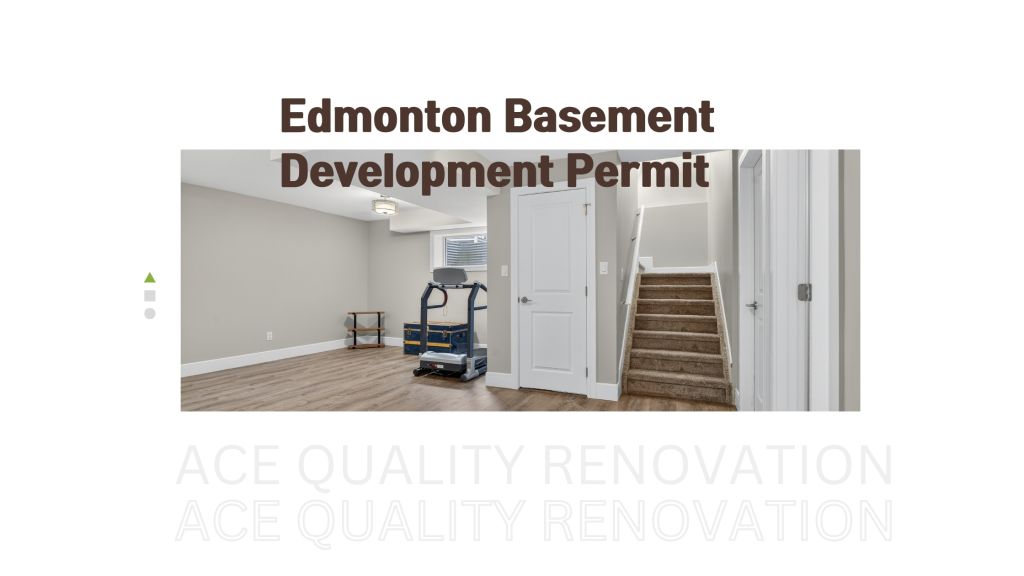
Basement development in Edmonton always requires permits. Skipping this step is the single most common — and most costly — mistake homeowners make. Here is exactly what you will need:
- Development Permit — Required if your property is not already zoned to allow secondary suites, or if it is your first time adding one.
- Building Permit — Mandatory for all structural, electrical, plumbing, and mechanical work. Required on virtually every legal suite project.
- Electrical Permit — Issued separately. Required for any electrical rough-in, panel work, or new dedicated circuits.
- Plumbing Permit — Required for bathroom rough-ins, laundry connections, or new drain installations.
- Gas Permit — Required if you are adding a furnace, hot water tank, or gas fireplace in the suite.
As of early 2026, the City of Edmonton typically processes development permits in 4–8 weeks and building permits in 2–4 weeks. Factor this into your project timeline. A reputable basement finishing contractor in Edmonton will handle all permit applications on your behalf.
How Much Does a Legal Basement Suite in Edmonton Cost?
Basement renovations in Edmonton vary significantly based on suite size, existing conditions, finish level, and whether rough-ins are already in place. Here is a realistic cost breakdown based on current Edmonton market rates:
| Work Item | Estimated Cost (CAD) |
|---|---|
| Framing and Insulation | $4,000 – $8,000 |
| Electrical (full rough-in) | $5,000 – $10,000 |
| Plumbing (bathroom + kitchen) | $4,500 – $9,000 |
| Drywall and Taping | $3,500 – $7,000 |
| Flooring | $3,000 – $8,000 |
| Kitchen Installation | $5,000 – $15,000 |
| Bathroom Finish | $4,000 – $9,000 |
| Egress Windows and Exterior Door | $2,500 – $6,000 |
| Painting and Finishing | $2,000 – $4,500 |
| Permits and Inspections | $1,200 – $2,500 |
| Total (Standard Suite) | $38,000 – $85,000 |
A mid-range one-bedroom legal suite in Edmonton typically lands between $55,000 and $65,000 all-in. A legal basement suite generating $1,400–$1,900 per month in rent typically recoups the full renovation cost within 4–6 years — and permanently increases property value by an estimated 10–20%.
Pros and Cons of Adding a Legal Basement Suite in Edmonton
Pros:
- Generates $1,400–$1,900+ per month in rental income
- Increases home resale value by 10–20%
- Qualifies for CMHC Secondary Suite financing at 2% interest
- Fully insurable as a legal rental unit
- Suitable for multi-generational or family living
- Reduces monthly mortgage carrying costs
Cons:
- Upfront investment of $38,000–$85,000
- Permit and inspection timelines add several weeks
- Ongoing landlord responsibilities and tenant management
- Reduced personal storage space in the home
- Potential for noise transfer between floors if not built properly
- Zoning restrictions apply in some Edmonton neighbourhoods
Step-by-Step: How to Build a Legal Basement Suite in Edmonton
Step 1: Confirm Zoning and Eligibility
Before spending a dollar, verify your property is zoned to permit a secondary suite. Visit the City of Edmonton’s Zoning Bylaw portal or call 311. Confirm ceiling height, lot size, and any overlay requirements specific to your neighbourhood.
Step 2: Hire the Right Basement Contractor in Edmonton
This is the most important decision you will make. Your contractor must be licensed with the City of Edmonton, carry a minimum of $2 million in liability insurance, and have documented experience completing secondary suite development projects — not just general basement finishing work. Ask for references from completed legal suite projects specifically.
Step 3: Develop Plans and Submit Permits
A qualified basement contractor in Edmonton will produce construction drawings and submit your permit applications. For suites requiring a development permit, this step happens first. Expect 4–10 weeks total before construction can begin.
Step 4: Rough-In Phase
This is the most trade-intensive stage. Framing, insulation, electrical rough-in, plumbing rough-in, HVAC ducting, and fire-rated assembly work are all completed here. Each trade requires its own inspection sign-off before walls are closed.
Step 5: Inspections
City of Edmonton inspectors attend at key milestones — framing, rough-in, and final occupancy. Your contractor should coordinate these automatically. Never close drywall before passing rough-in inspection.
Step 6: Finish Work
Drywall, flooring, cabinetry, fixtures, painting, and final trim are completed. Egress windows, the exterior suite entrance, and final fire separation measures are also finished at this stage.
Step 7: Final Inspection and Occupancy Permit
Once the City of Edmonton issues your occupancy permit, your legal basement suite is ready to rent. You are now fully authorized to advertise and lease the space.
Expert Tips: What Experienced Edmonton Basement Contractors Know
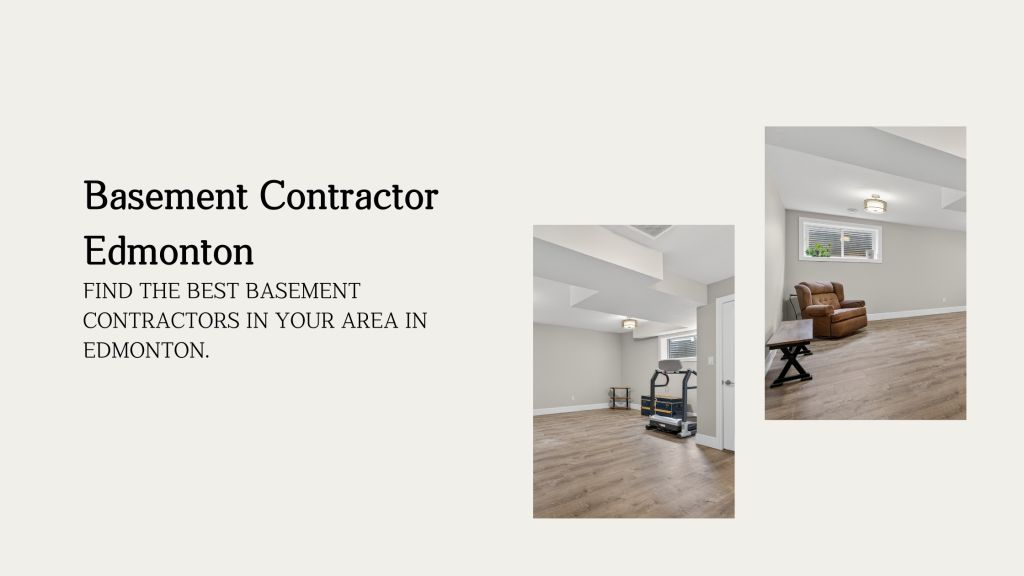
1. Plumbing rough-ins are your biggest wild card. Homes built before 1990 often have clay or cast iron drain lines. Budget an additional $2,000–$5,000 for drain upgrades if your home is older. Experienced contractors will perform a camera inspection of existing drains before quoting.
2. Sound attenuation is non-negotiable. The Alberta Building Code requires an STC rating of 50 between the suite and upper unit. This typically means resilient channel installation plus two layers of 5/8-inch Type X drywall — not a standard drywall job. Contractors who skip this will fail occupancy inspection.
3. Electrical panel upgrades are common. Most Edmonton homes built before 2000 have 100-amp service, which is insufficient for a suite with its own kitchen, bathroom, and laundry. Budget $2,000–$4,000 for a 200-amp upgrade if required.
4. Egress windows add value, not just compliance. A proper bedroom egress window brightens the suite significantly and increases rental appeal. In Edmonton’s climate, proper window well drainage also prevents moisture problems.
5. Fire separation is life safety, not a formality. The fire-rated assembly between your suite and the main floor must meet specific ratings under the Alberta Building Code. Use contractors who specialize in secondary suite development — not general renovators who have never built a legal suite.
Always request a written, itemized quote. Vague lump-sum quotes are a red flag. A professional basement contractor in Edmonton will provide line items for each trade, materials, and permit fees separately.
Real-World Example: A Legal Suite Build in South Edmonton
A homeowner in the Millwoods area purchased a 1,400 sq ft raised bungalow with an undeveloped basement. The basement had an existing bathroom rough-in but no egress windows and was fully open framing.
Project scope: 720 sq ft suite with one bedroom, one bathroom, full kitchen, and laundry hookup. Separate side entrance through an existing grade-level door.
Timeline: Permits approved in 6 weeks. Construction completed in 14 weeks. Total project duration: approximately 5 months.
Total cost: $61,400 including all permits, trades, and mid-grade finishes throughout.
Rental income: $1,650 per month secured on a 12-month lease immediately upon occupancy permit issuance.
Break-even: Full cost recovery projected within 37 months — before factoring in the increase to the home’s resale value.
This is a realistic, representative outcome for a standard secondary suite development in Edmonton. Proper planning and an experienced basement finishing contractor made the difference.
How to Choose the Right Basement Contractor in Edmonton
The quality of your legal suite project depends almost entirely on the contractor you hire. Basement renovations in Edmonton range from highly skilled licensed professionals to unlicensed operators. Here is how to tell them apart:
- Verify their City of Edmonton contractor licence (searchable at the City’s online portal)
- Request proof of WCB coverage and a minimum of $2 million in general liability insurance
- Ask for a portfolio of completed legal suite projects specifically — not just finished basements
- Check Google reviews, BBB rating, and HomeStars profile
- Get at least three detailed, itemized written quotes before committing
- Confirm they will pull all permits and manage all inspections on your behalf
- Ask how they handle scope changes and what their change order process looks like
Red flags to avoid: contractors who ask for more than 25–30% upfront, who suggest skipping permits to save money, who cannot provide references from legal suite work, or who are not registered with the City of Edmonton.
Financing Your Basement Suite: CMHC and City Programs
CMHC Secondary Suite Loan
The Canada Mortgage and Housing Corporation offers the Secondary Suite Loan Program, providing up to $40,000 at 2% interest for homeowners adding a secondary suite. Eligibility requires the suite to be rented at or below median market rent in your area. This is one of the most accessible financing tools available for secondary suite development in Edmonton.
City of Edmonton Incentives
The City of Edmonton periodically offers permit fee rebates or expedited processing for secondary suite development in high-density corridors and transit-oriented areas. Check the City’s current programs when submitting your permit application — offerings change annually.
Mortgage Qualification Tip
If you are purchasing a home with the intent to add a legal suite, consult a mortgage broker about how projected rental income can factor into your qualification. Some lenders will count up to 80% of projected rental income in their mortgage calculations.
Building a legal basement suite in Edmonton is one of the highest-return home improvement projects available to Edmonton homeowners today. With rental demand at near-record highs, CMHC financing available, and the City of Edmonton actively streamlining the permitting process for secondary suites, there has never been a better time to develop your basement the right way.
The formula for success is straightforward: confirm your zoning, hire a licensed basement contractor in Edmonton who specializes in secondary suite development, pull every permit, and pass every inspection. Do not cut corners on fire separation, egress windows, or sound insulation.
A properly executed basement development in Edmonton does not just generate income — it transforms your home’s long-term value, reduces your monthly carrying costs, and creates safe, high-quality housing in a city that needs it. Start with a professional site assessment and get a detailed, itemized quote from a licensed Edmonton basement finishing contractor before committing to anything.
Frequently Asked Questions
Q: How much does it cost to build a legal basement suite in Edmonton? A: The cost typically ranges from $38,000 to $85,000 depending on suite size, existing rough-in conditions, finish level, and whether a panel upgrade is required. A mid-range one-bedroom suite averages $55,000–$65,000 including all permits, trades, and materials.
Q: Do I need a permit for a basement suite in Edmonton? A: Yes. A legal basement suite in Edmonton requires a building permit at minimum, and often a development permit depending on your zoning. Separate permits are required for electrical, plumbing, and gas work. All inspections must be completed and passed before an occupancy permit is issued. Skipping permits is illegal and can result in fines, forced demolition, and voided home insurance.
Q: How long does it take to build a legal basement suite in Edmonton? A: From permit submission to occupancy, most projects take 4–7 months. Permit approvals alone can take 4–10 weeks. Construction typically runs 10–16 weeks depending on scope. Planning early and submitting permits as soon as possible is critical to keeping your timeline on track.
Q: What are the minimum requirements for a legal secondary suite in Edmonton? A: Under Edmonton’s Zoning Bylaw and the Alberta Building Code, a legal secondary suite must have a minimum of 30 m² of floor area, a ceiling height of 1.9 metres in at least 75% of the space, a separate entrance, a full kitchen and bathroom, proper egress windows in all bedrooms, interconnected smoke and CO alarms, and a fire-rated assembly between the suite and the main dwelling.
Q: Can I rent out an illegal basement suite in Edmonton? A: Renting an illegal basement suite carries serious risks including fines up to $10,000, mandatory closure orders, voided home insurance, and personal liability if a tenant is injured. Illegal suites cannot be advertised on major rental platforms. Legalizing your suite through proper basement finishing and permitting is always the recommended course of action.